Vehicle Loading Crane Inspection: Common Defects, Safety Checks and Compliance
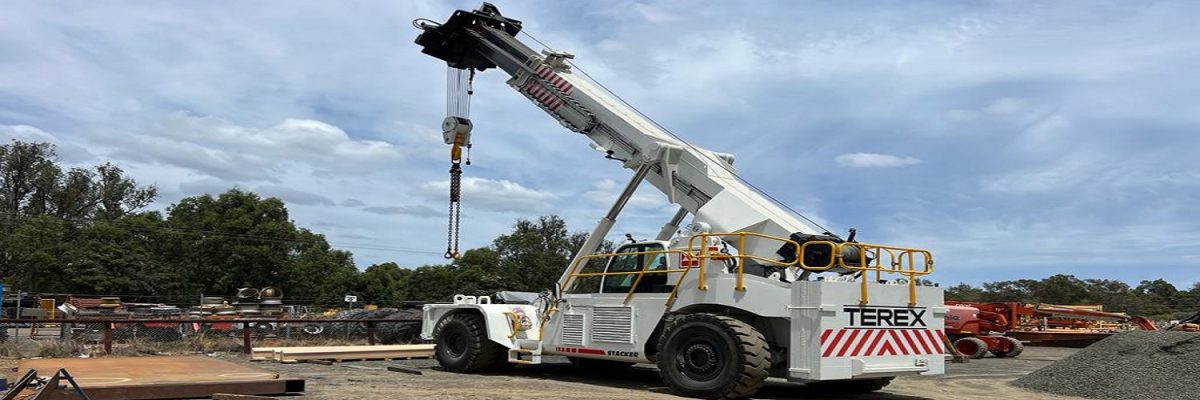
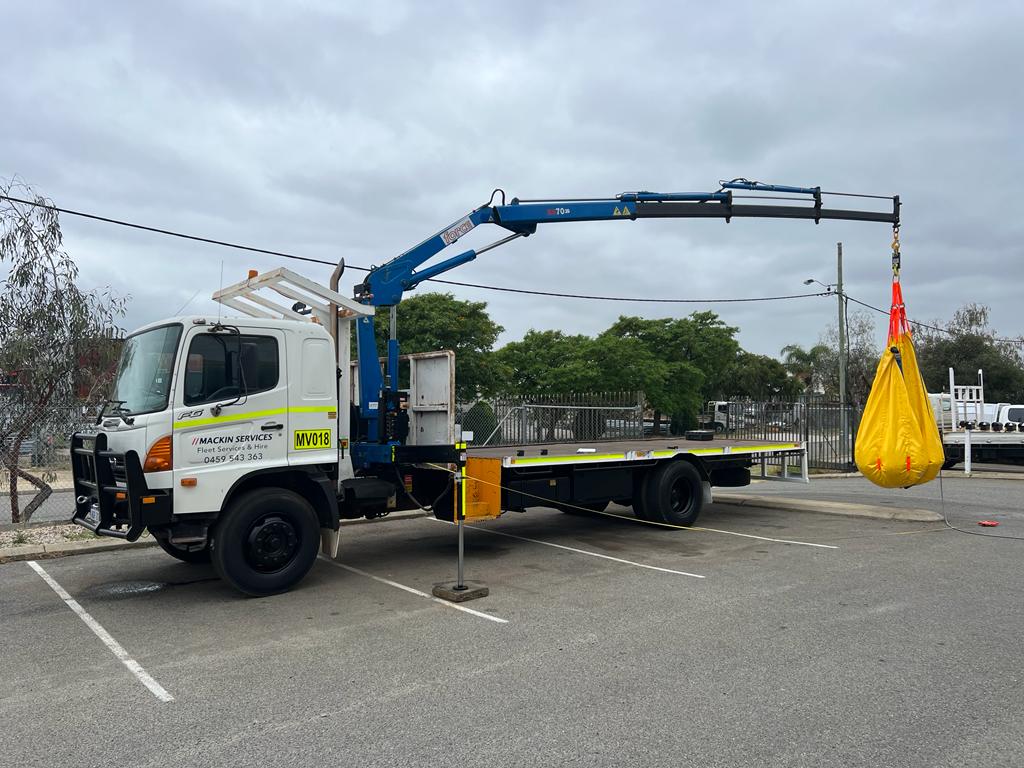
Vehicle loading cranes play an important role in construction, transport, mining, manufacturing and material-handling operations across Australia. Mounted on trucks and commercial vehicles, these cranes allow operators to load, unload and position heavy materials efficiently.
However, regular use, demanding working conditions, heavy loads and inadequate maintenance can affect the structural integrity and operational safety of a vehicle loading crane. Defects in hydraulic systems, lifting components, structural connections or safety devices can increase the risk of equipment failure and workplace accidents.
A professional vehicle loading crane inspection helps identify defects, assess equipment condition and verify that relevant inspection and safety requirements are being addressed.
For businesses operating truck-mounted cranes in Perth and throughout Western Australia, maintaining an appropriate inspection program is important for safe and reliable lifting operations.
What Is a Vehicle Loading Crane Inspection?
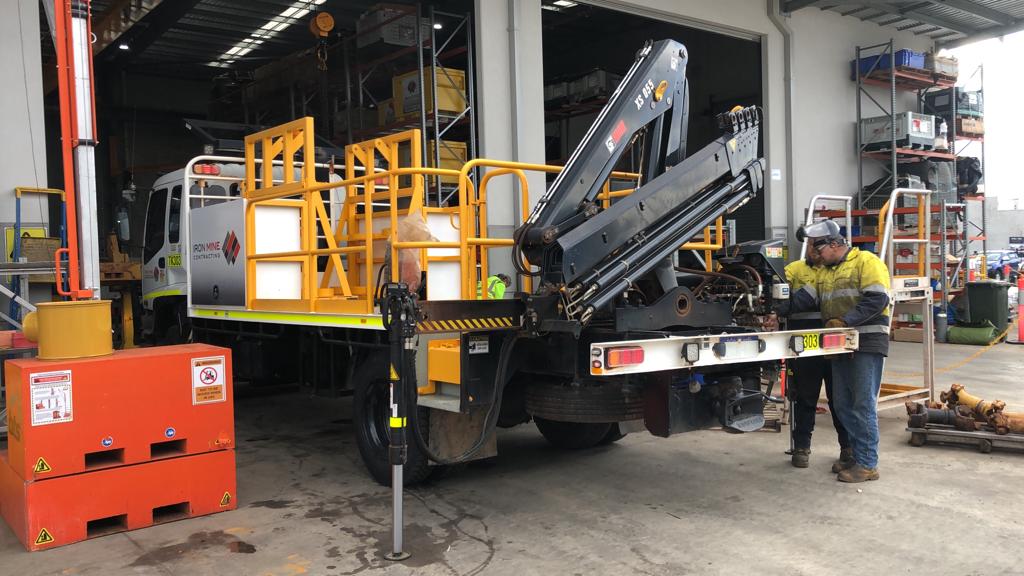
A vehicle loading crane inspection is a systematic examination of a crane mounted on a truck or commercial vehicle. The inspection assesses the condition, functionality and safety of critical crane components to identify defects that could affect lifting performance or operational reliability.
Depending on the crane type, configuration and inspection scope, the assessment may include:
- Crane boom and structural components.
- Hydraulic cylinders, hoses and connections.
- Slewing mechanisms and rotating assemblies.
- Winches, wire ropes and lifting attachments, where fitted.
- Hooks, pins and load-handling accessories.
- Outriggers, stabilisers and mounting arrangements.
- Control systems and emergency stop functions.
- Applicable safety devices and warning systems.
- Vehicle and crane interface.
The inspection scope should be appropriate to the crane's design, operating history, applicable requirements and manufacturer's recommendations.
Why Is Regular Truck Mounted Crane Inspection Important?
Truck-mounted cranes are frequently exposed to demanding working conditions. Repeated lifting cycles, uneven ground, transportation vibration and environmental exposure can contribute to component deterioration.
1. Identify Structural Damage
Crane booms, support structures, mounting brackets and connection points are exposed to repeated loading. Cracks, deformation, corrosion and loose fasteners may affect structural integrity. Identifying these conditions early helps determine whether further assessment or corrective action is required.
2. Maintain Hydraulic System Performance
Hydraulic systems control important crane movements, including boom extension, lifting and slewing on applicable models. Damaged hoses, leaking cylinders, faulty valves and pressure-related issues can affect crane operation.
3. Reduce Equipment Failure Risks
A defective lifting component or malfunctioning safety device can create serious hazards during lifting operations. Regular inspections help identify conditions requiring repair, maintenance or further technical assessment.
4. Support Workplace Safety and Compliance
Australian businesses have responsibilities to provide and maintain safe plant and equipment. Appropriate inspection, maintenance and recordkeeping arrangements help support workplace health and safety obligations.
5. Improve Equipment Reliability
Identifying deterioration and addressing defects can help reduce unexpected downtime, improve maintenance planning and extend the useful operating life of equipment.
Common Defects Found During Vehicle Loading Crane Inspections
Vehicle loading crane inspections can reveal mechanical, hydraulic, structural and operational defects. The exact findings depend on the crane's design, age, usage and maintenance history.
1. Cracks in the Crane Boom and Structural Components
Cracks can develop in boom sections, welds, mounting structures and other load-bearing components due to fatigue, impact damage, overloading or corrosion.
Common warning signs include:
- Visible cracks around welds and connection points.
- Deformation or bending of boom sections.
- Corrosion affecting structural surfaces.
- Damaged mounting brackets.
- Signs of previous unauthorised repairs.
Where defects are suspected, appropriate engineering assessment and, where necessary, non-destructive testing may be required.
2. Hydraulic Oil Leaks and Damaged Hoses
Hydraulic faults can affect truck-mounted crane performance. Common defects include hydraulic oil leakage, cracked hoses, damaged fittings, cylinder seal leakage and inconsistent hydraulic response.
Hydraulic leaks should be investigated and repaired by appropriately qualified personnel before they create further operational risks.
3. Damaged Wire Ropes and Lifting Components
For vehicle loading cranes equipped with winches and wire rope systems, the condition of the lifting assembly is particularly important.
- Broken wire strands.
- Corrosion and excessive wear.
- Kinks, crushing or deformation.
- Damaged hooks and lifting attachments.
- Defective rope terminations.
Lifting components should be assessed against applicable manufacturer requirements and relevant inspection criteria.
4. Outrigger and Stabiliser Defects
Outriggers and stabilisers help provide support during lifting operations. Defects can affect crane stability, particularly when operating on uneven or unsuitable ground.
Common problems include damaged stabiliser legs, hydraulic leakage, worn pads, faulty locking mechanisms and structural deformation.
Operators should ensure stabilisers are deployed according to the manufacturer's instructions and the crane's operating limitations.
5. Slewing Mechanism Problems
The slewing mechanism allows the crane to rotate during lifting operations. Possible defects include excessive movement, unusual noise, worn bearings or gear components, hydraulic motor problems and damaged slew connections.
6. Faulty Controls and Safety Devices
Crane controls and safety systems must operate as intended. Inspection may identify defective control levers, damaged electrical connections, malfunctioning emergency stops, warning-system faults or problems with applicable load-limiting and overload protection devices.
Vehicle Loading Crane Safety Checks: What Should Be Examined?
A vehicle loading crane inspection should consider both the crane's physical condition and its operational functions. The following table provides an overview of important inspection areas.
| Inspection Area | What to Check |
|---|---|
| Boom structure | Cracks, deformation, corrosion and weld condition. |
| Hydraulic system | Leaks, hoses, cylinders and connections. |
| Winch and wire rope | Wear, broken wires, corrosion and rope condition, where fitted. |
| Hooks and attachments | Damage, deformation and securing arrangements. |
| Outriggers | Structural condition, stability and locking mechanisms. |
| Slewing system | Abnormal noise, movement and component wear. |
| Controls | Correct operation and visible damage. |
| Safety devices | Functionality of applicable protective systems. |
| Mounting structure | Chassis connections, fasteners and support integrity. |
| Documentation | Inspection history, maintenance records and relevant certificates. |
These checks provide a general overview rather than a substitute for a formal inspection procedure or the manufacturer's instructions.
Australian Compliance Requirements for Vehicle Loading Cranes
Businesses operating vehicle loading cranes in Australia must consider applicable workplace health and safety legislation, plant requirements, relevant Australian Standards and manufacturer instructions.
The specific obligations depend on the crane's design, rated capacity, configuration, intended use and operating circumstances.
Work Health and Safety Responsibilities
Under applicable WHS legislation, persons conducting a business or undertaking (PCBUs) have duties to ensure, so far as is reasonably practicable, that plant is safe and risks associated with its use are controlled.
This includes appropriate inspection, maintenance, risk management and safe operating procedures.
AS 2550.11 – Safe Use of Vehicle-Loading Cranes
AS 2550.11 specifically addresses the safe use of vehicle-loading cranes. It is an important reference when developing inspection, maintenance and safe operating arrangements for this type of equipment.
AS 1418 – Cranes, Hoists and Winches
The AS 1418 series addresses design and construction requirements for cranes and associated lifting equipment. The relevant part depends on the equipment category and design.
Inspection Records and Maintenance Documentation
Equipment owners and operators should maintain suitable records covering inspection findings, maintenance activities, repairs and any required assessments or certifications.
When Should a Vehicle Loading Crane Be Inspected?
Inspection frequency depends on equipment type, operating intensity, environment, manufacturer's instructions and applicable regulatory requirements.
Additional inspections or assessments may be appropriate:
- Before putting new or modified equipment into service, where required.
- Following major repairs or structural modifications.
- After an incident, overload or suspected structural damage.
- When defects are identified during routine operation.
- At intervals specified by the manufacturer or applicable inspection requirements.
- When required by a competent person or relevant regulatory framework.
Operators should also perform the required pre-operational checks before using the crane. These checks do not replace formal inspections.
Why Choose Professional Vehicle Loading Crane Inspection in Perth?
Businesses in Perth and across Western Australia operate vehicle loading cranes in construction, transport, mining, infrastructure and industrial environments.
Professional inspection support can help equipment owners identify defects, understand equipment condition and plan appropriate corrective actions.
When selecting an inspection provider, consider:
- Relevant crane inspection experience.
- Appropriate technical qualifications and competencies.
- Familiarity with applicable Australian Standards.
- Clear inspection scope and reporting.
- Practical recommendations for identified defects.
- Understanding of industrial and workplace safety requirements.
Cossack Inspections supports businesses requiring professional industrial equipment inspection services. If your organisation operates truck-mounted cranes in Perth or surrounding areas, contact the team to discuss your inspection requirements.
Explore the Crane Inspection Services offered by Cossack Inspections.
Frequently Asked Questions
1. What is included in a vehicle loading crane inspection?
A vehicle loading crane inspection may include an assessment of the boom structure, hydraulic systems, lifting components, outriggers, mounting arrangements, controls and applicable safety devices. The inspection scope depends on the crane's design and the required assessment.
2. How often should a truck-mounted crane be inspected?
Inspection frequency depends on the crane type, operating conditions, manufacturer recommendations and applicable regulatory requirements. Businesses should establish an inspection and maintenance program appropriate to their equipment and workplace risks.
3. What are the most common vehicle loading crane defects?
Common defects include structural cracks, hydraulic leaks, damaged hoses, worn wire ropes, defective hooks, outrigger damage, slewing mechanism problems and faulty control or safety systems.
4. Is vehicle loading crane inspection mandatory in Australia?
Australian WHS legislation requires businesses to manage risks associated with plant and equipment. Specific inspection, maintenance, registration and certification requirements depend on the crane type, its application and applicable jurisdictional requirements.
5. Can a crane be used if a defect is identified?
A crane should not continue operating where a defect presents a safety risk. The equipment should be assessed by an appropriately competent person, and necessary repairs or corrective actions should be completed before it is returned to service.
6. Where can I arrange a vehicle loading crane inspection in Perth?
Businesses can contact Cossack Inspections to discuss their crane inspection requirements in Perth and surrounding Western Australian locations.
Arrange a Vehicle Loading Crane Inspection with Cossack Inspections
Maintaining the condition and safety of vehicle loading cranes is important for businesses involved in lifting, transport, construction and industrial operations.
From structural components and hydraulic systems to lifting mechanisms and safety devices, a professional inspection helps identify defects and supports informed equipment maintenance decisions.
Require a vehicle loading crane inspection in Perth or Western Australia?
Contact Cossack Inspections